

Blog
Are You Really Prepared for an Emergency?

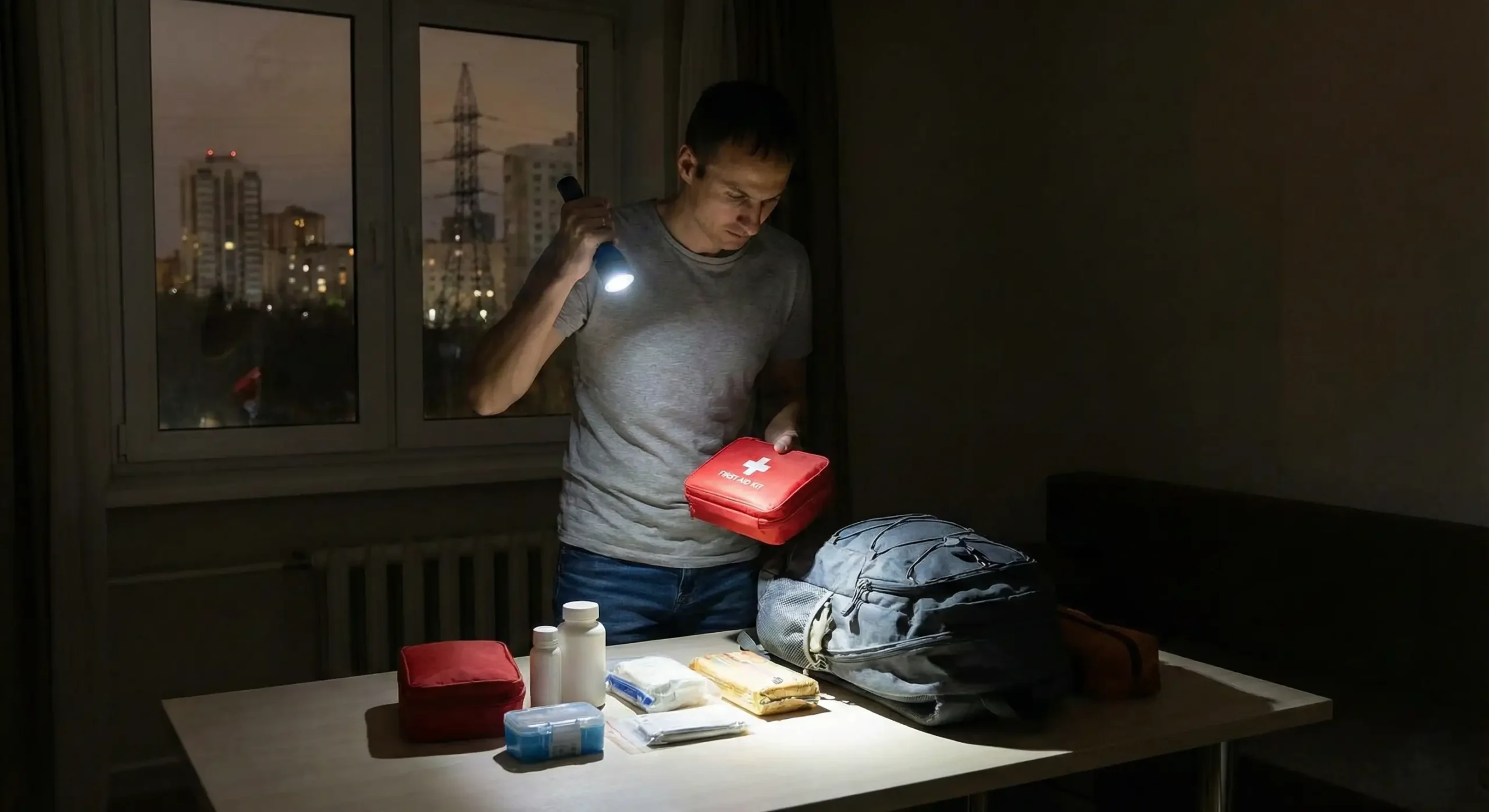
The Ultimate First Aid Readiness Test
Emergencies never knock before arriving. One minute everything is fine; the next, someone may be injured, burned, or bleeding. In such moments, every second counts, and your response can make all the difference.
Whether at home, work, or school, being prepared isn’t just about owning a first aid kit. It’s about knowing what to do, where your supplies are, and how to use them when it truly matters. So, are you really prepared for an emergency? Let’s find out.
Understanding First Aid Readiness
First aid readiness means being equipped, both mentally and physically, to handle sudden injuries or illnesses until professional help arrives. You don’t need to be a doctor. You just need to stay calm, confident, and quick.
According to the World Health Organization (WHO), nearly one million lives could be saved each year if more people were trained in first aid and had access to proper kits. Simple actions like cleaning a wound, stopping bleeding, or cooling a burn can prevent serious complications.
The Ultimate First Aid Readiness Test
Take this quick 10-point test to assess your emergency preparedness. Answer yes or no for each:
- Kit Check: Do you have a first aid kit at home and in your car?
- Cut Control: Do you know how to apply direct pressure and elevate a bleeding wound?
- Burn Basics: Do you cool burns under running water for 10–20 minutes and cover loosely?
- Choking Hero: Can you perform abdominal thrusts if someone is choking?
- Fall Response: Do you check for head injury signs before moving a fallen person?
- Poison Panic: Would you call Poison Control instead of inducing vomiting?
- CPR Confidence: Are you trained in hands-only CPR (30 compressions per minute at 100–120 bpm)?
- Allergy Alert: Do you know when and how to use an epinephrine auto-injector?
- Sprain Smarts: Do you follow RICE — Rest, Ice, Compression, Elevation?
- Kit Refresh: Have you checked your kit in the last six months?
Scoring:
- 8–10: You’re a first aid pro — stay sharp.
- 5–7: Good start; time to strengthen weak areas
- Below 5: No worries — this is your wake-up call.
Emergencies don’t grade on a curve, but practice makes progress.
Handling Common Household Emergencies
1. Cuts and Scrapes
Minor cuts account for millions of ER visits each year. Clean with soap and water, apply antibiotic ointment, and cover with a sterile bandage. For heavy bleeding, apply firm pressure for five minutes. Proper cleaning reduces infection risk by up to 80%.
Tip: Medicon kits include adhesive bandages, gauze, and antiseptic wipes — everything for quick fixes.
2. Burns
Over 400,000 people visit the ER yearly for burns, mostly from household accidents. Cool the area with running water — never ice — and cover with a non-stick dressing. Avoid butter or oils; they trap heat.
Medicon burn gels provide instant relief and protect healing skin.
3. Choking
Choking causes nearly 5,000 deaths annually, especially among children. Encourage coughing first; if that fails, give five back blows, then five abdominal thrusts, and call for help if breathing doesn’t return.
Pro tip: Keep small objects and hard foods out of children’s reach.
4. Falls
Falls are the top cause of home injuries, particularly in adults over 65. Check for dizziness, swelling, or confusion before moving the person. For sprains, use RICE. Elastic wraps in Medicon kits provide reliable compression when it’s needed most.
5. Poisoning
Every year, 90,000 children are exposed to household poisons. Never force vomiting. Call Poison Control immediately. If instructed, activated charcoal can be used — but only under guidance
Safety first: Always wear gloves when assisting. Medicon kits include protective gloves and instructions for safe handling.
The Real Cost of Being Unprepared
When people aren’t ready for emergencies, small injuries turn serious, and hospitals fill with preventable cases. Each year, 5.4 million people die from injuries that proper first aid could have treated, and most happen at home.
With Medicon, preparedness becomes simple and affordable. For less than $50, you can equip your home with medical-grade essentials that could save a life. Schools and workplaces using Medicon kits have seen up to a 25% rise in readiness, proving that safety isn’t costly, it’s essential.
Why First Aid Readiness Matters
First aid isn’t just about bandages, it’s about saving lives, preventing complications, and promoting recovery. WHO reports that nearly 1 in 10 deaths worldwide are due to injuries that could be prevented or lessened with timely first aid training.
Being prepared means having the right tools, knowledge, and confidence, and that’s where Medicon comes in.
How Medicon Helps You Stay Ready
Medicon is more than a first aid kit, it’s your safety partner. Each kit is:
- All-in-One Protection: Packed with every essential, from bandages and antiseptics to gloves, tools, and pain relievers.
- Quick-Grab Design: Smartly labeled sections make it easy to find what you need when seconds matter most.
- Made for Every Space: Choose from kits designed for your home, car, office, or outdoor adventures.
- Easy to Use: Clear, step-by-step instructions ensure anyone can respond confidently.
Medicon kits meet international safety standards and are trusted by families, schools, and workplaces across the country.
Take the Next Step
Emergencies are unpredictable, but your response doesn’t have to be. With the right emergency response skills, you can turn panic into purpose.
Check your kit. Learn the basics. Involve your family. And if you don’t yet own a reliable first aid kit, choose Medicon.
Your safety, your family’s safety, and your community’s safety are worth it.
Be ready. Be confident. Be Medicon-ready.
Take control of your safety. Explore Medicon’s first aid kits and find the perfect fit for your home, car, or workplace.
Shop now and stay prepared for anything.

